A Clean Dryer Vent That's Installed Wrong Is Still a Problem.
We correct dryer vent system design problems — crushed ductwork, improper runs, disconnected lines — that cleaning alone can't fix. Serving the Treasure Coast.
Serving Vero Beach · Sebastian · Indian River County · South Brevard · North St. Lucie
Serving Vero Beach · Sebastian · Indian River County · South Brevard · North St. Lucie
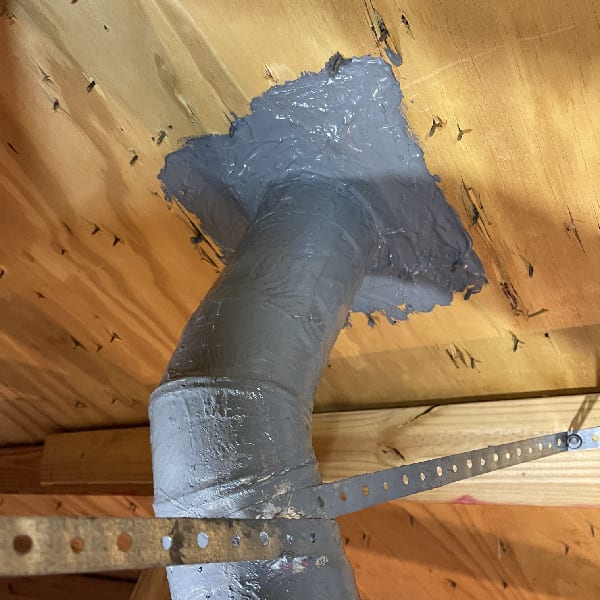
Florida Homes Were Often Built With Vent Systems That Fight Airflow.
Long attic runs, too many bends, flexible foil ductwork used where rigid pipe is required, vents that run uphill — these are common in homes throughout Indian River County and the surrounding region. They're not always the result of careless installation.
Often they reflect code requirements and practices from the era when the home was built. The problem is that these design characteristics don't just restrict airflow — they create conditions that a routine cleaning can't correct.
Every time you run the dryer, lint accumulates faster, heat builds higher, and your equipment works harder than it should. Cleaning helps. But when the root problem is the design of the vent run itself, the only real fix is correcting the design.
Common design problems we find in Treasure Coast homes:
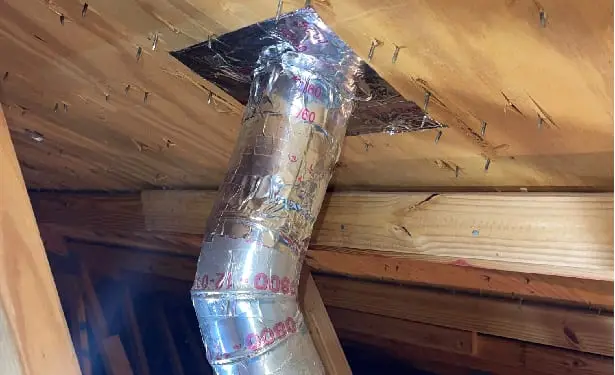
Vent runs that exceed the maximum allowable length for proper exhaust. More 90-degree bends than the system can handle — each one reduces effective length. Flexible foil or vinyl ductwork used in attic sections — prohibited in most current codes.
Disconnected vent sections venting lint and heat directly into the attic cavity. Crushed or kinked ductwork behind the dryer from poor clearance. Vent runs that go uphill — trapping condensation and accelerating lint buildup. Systems designed for a different dryer type or exhaust configuration than what's installed.
Root Causes Corrected. Not Symptoms Managed.
Problems we correct:
- Excessive vent run length beyond code allowances
- Too many bends reducing effective system length
- Flexible foil or vinyl duct — replaced with rigid metal
- Disconnected vent sections leaking into attic cavities
- Crushed or kinked ductwork at the dryer connection
- Uphill vent routing causing condensation and rapid buildup
- Improperly supported ductwork sagging in attic runs
- Systems not designed for current dryer exhaust requirements
How we fix them:
- Full system inspection and documentation before any work begins
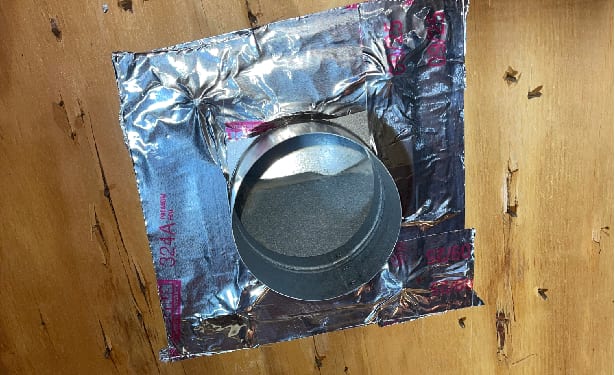
- Design of the correct reroute using proper rigid ductwork and fittings
- Complete removal of problem sections — not patching over them
- Code-compliant installation with correct materials and clearances
- Airflow testing before and after to confirm the fix worked
- Documentation of the new installation for your records
- Walk-through of what was done and why before we leave
What 'Rerouting' Actually Means — In Plain Language.
A dryer vent reroute means we redesign and reinstall part or all of your vent run using correct materials, correct bend counts, and the most direct path from your dryer to the exterior termination.
In practice, that usually means removing flexible foil or vinyl ductwork and replacing it with smooth rigid metal pipe. It often means reducing the number of bends. Sometimes it means finding a shorter route entirely — changing where the vent exits the home or how it travels through the attic.
The goal is a vent run that moves air efficiently, accumulates lint slowly, and meets current code requirements for your dryer type and installation. A properly rerouted system typically requires less frequent cleaning and delivers better dryer performance — not as a side effect, but as a direct result of the improved design.
Most reroutes are completed in a single visit. We confirm the quote before we begin. No surprises.
How to Tell If Your Problem Is Design — Not Just Dirt.
Strong indicators of a design problem:
- Dryer performance issues return quickly after a professional cleaning
- Your vent run goes through the attic and terminates at the roof
- You can see flexible foil ductwork in the attic section of your vent
- Your home was built before 2000 and has original vent installation
- Multiple bends or turns in a long vent run
- Dryer consistently takes multiple cycles regardless of load size
- Attic or laundry room runs unusually hot even after cleaning
- You’ve been told your vent is ‘too long’ or ‘has compliance issues’
If your system has a design problem, cleaning will help temporarily — but the restriction comes back. The lint builds faster, the performance degrades sooner, and you’re back where you started in a matter of months.
We identify root causes, not surface symptoms. If your inspection reveals a design issue, we’ll explain exactly what it is, show you what the correct solution looks like, and quote the repair before touching anything.
Not sure if you need a cleaning or a reroute? Start with an inspection. We’ll tell you exactly what’s going on.
Inspect. Design. Fix. Test.
INSPECT THE FULL SYSTEM
We document the entire vent run before recommending anything. The inspection drives the solution — not a standard package.
DESIGN THE RIGHT FIX
We plan the reroute or repair using correct materials and the most efficient path. You see the plan and approve the quote before we begin.
FIX IT. TEST IT. DOCUMENT IT.
We complete the work, test airflow to confirm the correction, and document the new installation. Done means actually done.
SERVING THE TREASURE COAST & SPACE COAST
We provide this service throughout:
- Vero Beach, FL
- Sebastian, FL
- Indian River County
- South Brevard County
- North St. Lucie County
- And surrounding communities
Reroute & Repair Questions Answered.

How do I know if I need a reroute versus just a cleaning?
If your vent problems return quickly after cleaning, if your system has a long attic run with multiple bends, or if your home has flexible foil ductwork, a reroute is likely more appropriate than cleaning alone. The definitive answer comes from an inspection — we’ll evaluate your system and give you a clear recommendation.
Is flexible foil duct really a problem?
Yes. Flexible foil duct is not approved for dryer vent systems in most current building codes, particularly for attic runs. Its ridged interior traps lint rapidly, it collapses under pressure, and it poses a significantly higher fire risk than rigid metal duct. If you have it in your attic vent section, it should be replaced.
How much does a dryer vent reroute cost?
Cost varies depending on the length of the reroute, the complexity of the access, and the materials required. We provide a clear itemized quote after the inspection — before any work begins. Most homeowners find the cost reasonable relative to the improvement in safety and performance.
How long does a reroute or repair take?
Most reroutes are completed in a single visit, typically 2–4 hours depending on system complexity and attic access. We give you an accurate time estimate when we quote the job.
Are dryer vent reroutes common in Florida homes?
Very common. Long attic runs, roof terminations, and the use of older ductwork materials are standard in Treasure Coast homes built before the mid-2000s. We find system design issues in a significant percentage of the homes we inspect — most homeowners had no idea the problem existed.
Will this fix my dryer performance issues for good?
In most cases, yes. A correctly designed and installed vent run moves air efficiently, resists rapid lint accumulation, and allows your dryer to operate at its designed performance level. We test airflow after every reroute to confirm the improvement before we consider the job complete.
Why do dryer vent problems return quickly even after a professional cleaning?
When vent runs exceed allowable lengths, feature excessive 90-degree bends, or use flexible foil ducting, cleaning provides only a temporary fix. Restricted airflow and rapid lint buildup return quickly because the underlying duct design restricts proper exhaust. Correcting the physical route and installing smooth rigid metal pipe solves the root cause permanently.

Fix the System. Not Just the Symptoms.
Schedule your dryer vent inspection today. We'll evaluate the full system, explain what we find, and give you a clear path forward — whether that's a cleaning, a repair, or a reroute.