How air conditioning impacts your health & indoor air is simple: a dirty or poorly maintained system recirculates dust, mold spores, and allergens through every room in your home. A clean, well-serviced unit does the opposite—it filters out contaminants and keeps humidity in check. Most homeowners assume their AC only controls temperature, but it’s actually the lungs of your house, moving air through every hallway and bedroom dozens of times a day.
If that air is contaminated, everyone breathing it feels the effects, from stuffy sinuses to worsening asthma. The good news is that most of these problems are preventable with routine maintenance and duct care. In this guide, we’ll break down exactly how your cooling system shapes what you breathe, the warning signs of trouble, and the steps Florida homeowners can take to fix it fast.
📌 Key Takeaways
- A neglected air conditioning system can spread dust, pollen, and mold spores instead of filtering them out.
- Humidity control is just as important as temperature—too much moisture invites mold growth in ductwork.
- Dirty filters and ducts are the top cause of reduced indoor air quality in Florida homes.
- Professional duct cleaning every 2-3 years helps prevent respiratory irritation and allergy flare-ups.
- Simple habits like filter changes and duct inspections cut indoor pollutant levels significantly.
Jump to a Section
- Why Your Cooling System Controls More Than Temperature
- How Air Conditioning Impacts Your Health & Indoor Air
- Common HVAC Problems That Worsen Air Quality
- Warning Signs Your AC Is Hurting Your Home’s Air
- Steps to Improve Indoor Air Quality Today
- DIY vs Professional Maintenance: What Actually Works
- FAQ: Your Questions Answered
Why Your Cooling System Controls More Than Temperature
Quick Answer: Your air conditioning system doesn’t just cool air—it filters, dehumidifies, and circulates it through your entire home nonstop. When any part of that process breaks down, indoor air quality drops immediately.
Every time your unit runs, it pulls air through return vents, across a filter, over cooling coils, and back out through supply ducts. That cycle happens continuously, often 20-30 times a day during Florida summers. If the filter is clogged or the ducts are dusty, contaminants ride along with every cycle.
The Ductwork Connection
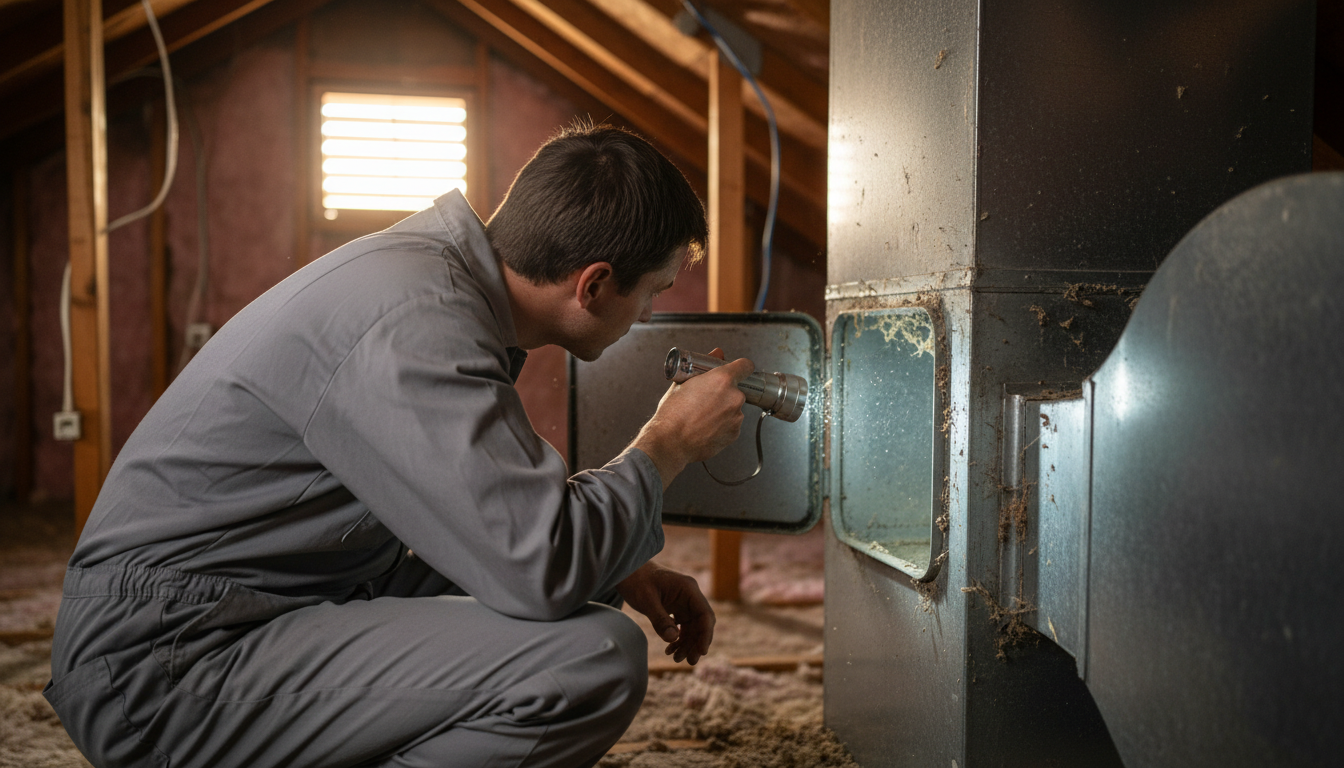
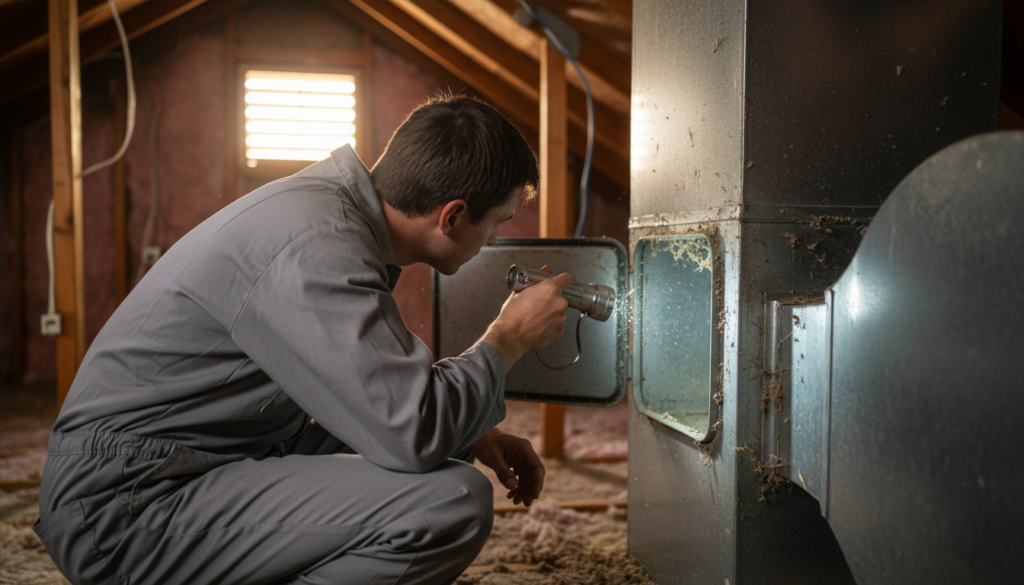
Ductwork is essentially the highway system for your home’s air. Dust, pet dander, and even rodent debris can accumulate inside ducts over years of use. According to the EPA’s indoor air quality resources, poor ventilation and contaminated HVAC components are among the top contributors to indoor pollution.
Over time, that buildup gets pushed into living spaces every time the system kicks on. I’ve walked into homes where residents assumed their sneezing was seasonal allergies, only to find inches of dust packed into the supply ducts.
💡 Expert Insight: A visual duct inspection every year catches buildup before it becomes a health issue—most homeowners never look inside their ducts until something smells off.
How Air Conditioning Impacts Your Health & Indoor Air
Quick Answer: How air conditioning impacts your health & indoor air comes down to three factors—filtration, humidity, and airflow balance. When any one fails, allergens and moisture problems follow closely behind.
A properly functioning system removes excess moisture, which keeps mold and dust mites from thriving. It also traps particles in the filter before they reach your lungs. When maintenance lapses, those same mechanisms start working against you instead of for you.
Respiratory and Allergy Effects
Stale, recirculated air can trigger coughing, sinus congestion, and worsened asthma symptoms. The CDC’s guidance on mold and health notes that damp environments—including moisture trapped in HVAC systems—can aggravate respiratory conditions in sensitive individuals. Children and older adults tend to notice symptoms first.
Sleep and Comfort Disruption
Humidity swings caused by a struggling AC unit can make bedrooms feel sticky or stuffy, disrupting sleep quality. Poor airflow balance also creates hot and cold spots, forcing the system to overwork and stir up more dust in the process.
⚠️ Common Mistake: Assuming a working thermostat means a healthy system. Temperature control and air quality are related but separate functions—one can be fine while the other quietly fails.
Common HVAC Problems That Worsen Air Quality
Quick Answer: Clogged filters, leaky ducts, and mold-prone coils are the three most common culprits behind poor indoor air tied to air conditioning systems.
Most issues build slowly, which is why homeowners rarely notice until symptoms appear. Understanding the usual suspects makes it easier to catch problems early.
Clogged or Wrong-Size Filters
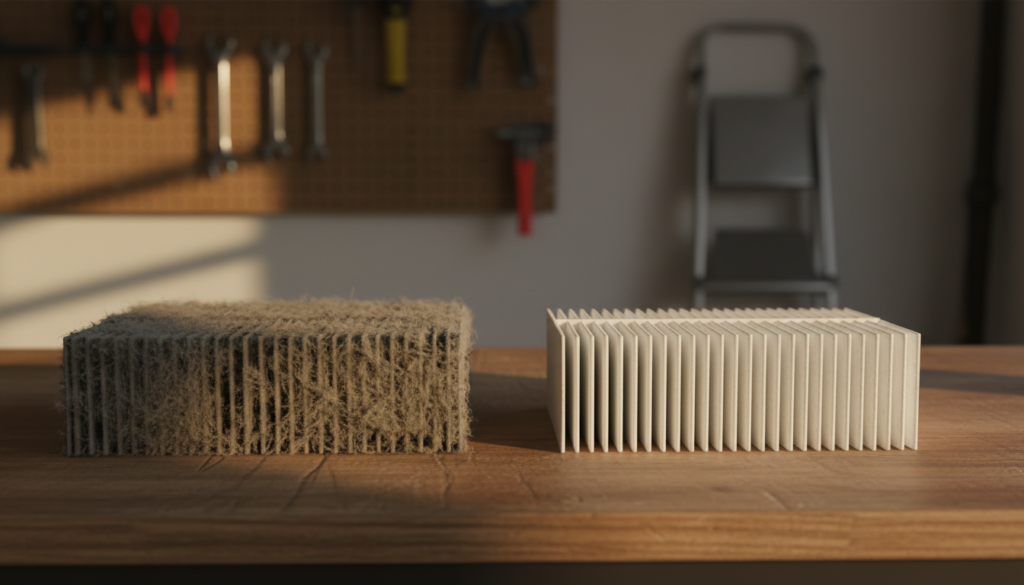
A filter that’s too restrictive or overdue for replacement forces air around it instead of through it, letting particles bypass filtration entirely. This is one of the simplest fixes but also one of the most overlooked.
Leaky or Disconnected Ductwork
Gaps in ductwork pull unconditioned attic air—often dusty, humid, and full of insulation fibers—directly into your living space. This is especially common in older homes across Florida’s coastal counties, where humidity accelerates duct deterioration.
| Problem | Impact on Air Quality | Recommended Fix |
|---|---|---|
| Clogged filter | Reduced filtration, more airborne dust | Replace every 1-3 months |
| Leaky ducts | Pulls in attic dust and moisture | Seal or reroute ducts |
| Mold on coils | Spreads musty odors and spores | Professional coil cleaning |
| High humidity | Encourages dust mites and mold | Check system sizing and drainage |
📊 Data Point: According to the U.S. Department of Energy, a poorly maintained HVAC system can lose significant efficiency, meaning it works harder while filtering less effectively.
Warning Signs Your AC Is Hurting Your Home’s Air
Quick Answer: Musty odors, visible dust around vents, and unexplained allergy symptoms are the clearest signals that your cooling system needs attention.
These signs are easy to dismiss individually, but together they paint a clear picture of declining air quality.
Physical Symptoms to Watch
Frequent sneezing at home, headaches that ease when you leave the house, or worsening asthma at night can all point back to HVAC-related air problems rather than outdoor allergens.
Household Clues
Dust settling quickly after cleaning, a musty smell near vents, or visible mold on registers are all signs that ductwork or coils need professional attention. Homeowners in Sebastian and across Indian River County often notice these symptoms first during the humid summer months.
✅ Quick Tip: Hold a tissue near a supply vent when the system runs. If it visibly moves dust or debris, it’s time for an inspection.
Steps to Improve Indoor Air Quality Today
Quick Answer: Replacing filters on schedule, scheduling duct cleaning, and controlling humidity are the fastest ways to reverse poor air quality caused by an AC system.
None of these steps require a full system replacement—most are maintenance-level fixes.
Simple Homeowner Actions
- Replace or upgrade filters every 30-90 days depending on household needs.
- Schedule a professional duct inspection annually, or sooner if you notice odors.
- Keep indoor humidity between 30-50% using your thermostat’s humidity settings.
- Seal visible gaps in accessible ductwork to reduce contamination.
- Have vents and registers cleaned when dust buildup becomes visible.
We cover more seasonal steps in our AC servicing checklist, which pairs well with duct-specific maintenance.
When to Call a Professional
If odors persist after filter changes, or if family members report ongoing respiratory irritation, it’s time for a deeper inspection. Our team offers professional duct and vent services built specifically for Florida’s humidity challenges.
DIY vs Professional Maintenance: What Actually Works
Quick Answer: DIY steps like filter changes handle the basics, but duct cleaning and mold remediation require professional tools most homeowners don’t have.
Knowing where the line falls saves money and prevents bigger problems later.
| Task | DIY Friendly? | Why |
|---|---|---|
| Filter replacement | Yes | Simple, low-risk, done monthly |
| Vent register cleaning | Yes | Basic vacuum and wipe-down |
| Full duct cleaning | No | Requires specialized equipment |
| Mold remediation in ducts | No | Needs containment and professional-grade tools |
| Humidity balancing | Partial | Thermostat settings help, but sizing issues need a pro |
💡 Expert Insight: We’ve found that homeowners who combine DIY filter habits with periodic professional duct cleaning see the most consistent improvement in air quality, especially in homes near Sebastian and North St. Lucie County.
For a deeper technical look, our earlier article on the impact of air conditioning on indoor air quality walks through the filtration science in more detail.

FAQ: Your Questions Answered
Does air conditioning make indoor air quality worse or better?
It depends entirely on maintenance. A clean, well-sealed system improves air quality by filtering particles and controlling humidity, while a neglected one can actively worsen it by recirculating dust and mold spores.
How air conditioning impacts your health & indoor air during Florida summers specifically?
Florida’s high humidity puts extra strain on cooling systems, increasing the risk of condensation-related mold if drainage or filtration isn’t properly maintained. This makes seasonal inspections more important here than in drier climates.
Can a dirty air conditioner cause allergy symptoms?
Yes, a dirty AC system can circulate dust, pet dander, and pollen trapped in filters or ducts, triggering or worsening allergy symptoms. Many people mistake these symptoms for seasonal allergies rather than an HVAC issue.
How often should ductwork be cleaned for better air quality?
Most homes benefit from professional duct cleaning every 2-3 years, though homes with pets, allergies, or recent renovations may need it sooner. Visible dust, musty odors, or worsening symptoms are signs to schedule it earlier.
What’s the difference between an air filter and an air purifier for HVAC systems?
An air filter sits inside the HVAC system and captures particles as air passes through, while an air purifier is often a standalone or add-on unit designed for finer filtration. Both can work together, but neither replaces regular duct maintenance.
Is it safe to run AC continuously if someone in the house has asthma?
Running AC continuously is generally fine and can help by controlling humidity, but only if filters are clean and ducts are free of mold or dust buildup. Asthma sufferers should prioritize more frequent filter changes and periodic professional inspections.
Why does my house smell musty even with the AC running?
A musty smell usually points to trapped moisture or mold somewhere in the ductwork, coils, or drain pan, not the living space itself. This typically requires a professional inspection rather than surface cleaning.
Bringing It All Together
How air conditioning impacts your health & indoor air ultimately comes down to maintenance habits most homeowners can control. Clean filters, sealed ducts, and balanced humidity keep your system working for your health instead of against it. Ignoring these details, especially in Florida’s humid climate, invites allergens and mold to spread through every room. The fixes are usually straightforward once you know what to look for.
- Check and replace your filter this week if it’s overdue.
- Schedule a duct inspection if you’ve noticed odors or dust buildup.
- Monitor indoor humidity and adjust thermostat settings as needed.
- Book a professional cleaning if symptoms persist after basic maintenance.
Ready for cleaner air at home? Contact All Clear Vents today to schedule an inspection and breathe easier by next week.
