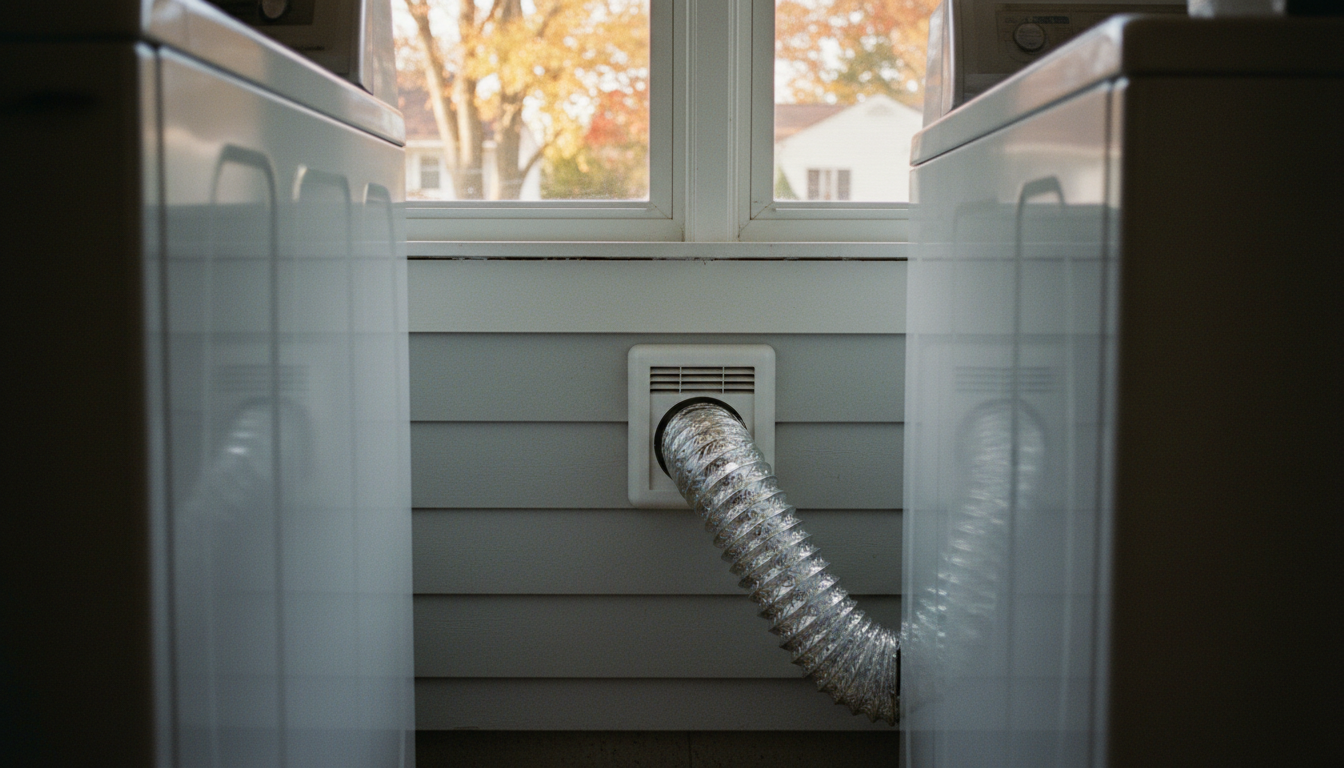
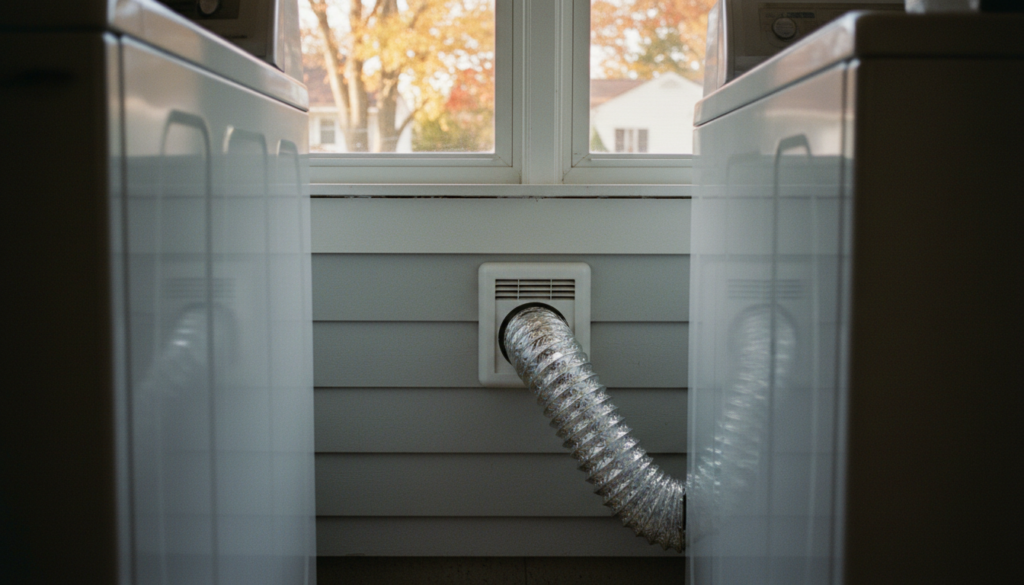
A dryer exhaust wall box is a low-profile termination fitting that lets a dryer vent exit through a wall in tight spaces where a standard hood won’t fit. It solves the common problem of dryers pushed flush against a wall, which crushes flexible duct and traps lint inside the cavity. If your dryer sits close to the wall and takes forever to dry clothes, a wall box is often the fix your venting system needs.
Many homeowners assume any dented vent hose is "just how it is" with a stacked laundry closet. That misconception causes slow drying, musty odors, and — according to the Consumer Product Safety Commission, a leading cause of preventable house fires each year. A properly sized dryer wall box keeps airflow open even when appliance clearance is minimal.
📌 Key Takeaways
- A dryer exhaust wall box replaces a bulky exhaust hood, allowing the dryer to sit flush against a wall.
- Crushed flex duct behind a dryer is one of the top causes of slow-drying clothes and lint fires.
- Standard wall boxes cost less than full attic reroutes but require correct duct sizing to work safely.
- Metal, close-clearance boxes outperform plastic ones for long-term airflow and fire safety.
- Annual inspection catches lint buildup before it becomes a blockage or fire hazard.
Table of Contents
- What Is a Dryer Exhaust Wall Box?
- Why Standard Vent Terminations Fail
- Wall Box vs. Traditional Hood: Comparison
- Signs You Need a New Dryer Duct Wall Box
- Installation Process: What to Expect
- Cost Factors for Wall Box Installation
- Maintenance Tips to Keep Airflow Clear
- FAQ
What Is a Dryer Exhaust Wall Box?
Quick Answer: A dryer exhaust wall box is a shallow, angled duct fitting mounted flush to a wall that redirects exhaust air sideways instead of straight out. It’s designed for laundry setups where a dryer sits within inches of the wall, leaving no room for a standard hood.
Traditional exhaust hoods project several inches off the wall, which forces the dryer forward and crushes the flexible connector behind it. A dryer wall box eliminates that gap by routing the duct horizontally inside a shallow recessed panel. This lets the appliance sit almost flush while the exhaust duct stays open and unobstructed.
Where These Boxes Are Typically Installed
We see dryer exhaust wall box installs most often in condos, mobile homes, and older houses with laundry closets. In our service work around Sebastian and North St. Lucie County, tight utility closets are one of the top reasons clients call for a dryer vent wall box upgrade. Builders often installed the appliance first and framed the closet around it, leaving almost no clearance.
✅ Quick Tip: Measure the gap between your dryer and the wall before buying any exhaust fitting — most wall boxes need only 1 to 3 inches of clearance to function properly.
Why Standard Vent Terminations Fail
Quick Answer: Standard hoods fail in tight closets because they force the dryer forward, crushing the flexible duct and trapping lint inside the bend. That trapped lint restricts airflow and raises fire risk over time.
A crushed or kinked duct behaves like a partially closed valve. Air still moves, but at a fraction of its designed volume, so moisture-laden exhaust lingers inside the drum longer than it should. Over months, lint accumulates at every crushed point, narrowing the passage further.
The Fire Risk Behind Crushed Ducts
Lint is highly combustible, and a blocked dryer vent is one of the most commonly cited home fire causes. The National Fire Protection Association tracks clothes dryer fires as a recurring seasonal hazard, with restricted airflow named as a leading contributing factor. A dryer duct wall box removes the physical bend that causes this buildup in the first place.
⚠️ Common Mistake: Homeowners often buy a cheap plastic wall box online without checking duct diameter compatibility, which creates a new bottleneck instead of solving the old one.
Wall Box vs. Traditional Hood: Comparison
Quick Answer: A wall box works best in tight closets, while a traditional hood suits homes with several inches of clearance behind the dryer. Choosing the wrong one wastes money and can leave the same airflow problem unsolved.
Each termination style has a different job. The table below compares the two options across the factors homeowners usually ask about.
| Feature | Dryer Exhaust Wall Box | Traditional Exhaust Hood |
|---|---|---|
| Clearance needed | 1–3 inches | 4–8 inches |
| Best for | Laundry closets, condos, mobile homes | Garages, basements, open utility rooms |
| Airflow risk if oversized closet | Low | Low |
| Airflow risk in tight closet | Low (designed for it) | High (crushes duct) |
| Typical material | Galvanized steel or aluminum | Plastic or aluminum |
| Approx. install cost* | $150–$350 | $80–$200 |
*Costs are general ranges and vary by region, duct length, and wall material.
Material Matters More Than People Expect
Metal boxes hold up better against heat and UV exposure than plastic versions. In Florida’s humidity, plastic fittings can warp near the exhaust point over a few seasons. We generally recommend a galvanized steel dryer wall box for anyone replacing a failing plastic unit.
💡 Expert Insight: In more than a decade of vent work, the wall boxes that fail first are almost always the thin plastic models installed by the appliance’s original builder, not aftermarket steel replacements.
Signs You Need a New Dryer Duct Wall Box
Quick Answer: Slow drying times, a hot laundry closet, visible lint around the vent opening, and a burning smell are the clearest signs your current termination isn’t working. Any of these warrants an inspection within the week.
A healthy exhaust system dries a full load in one cycle without extra heat lingering in the room. When a wall box or hood is undersized or crushed, moisture stays trapped and cycles run long.
Quick Self-Check Before Calling a Pro
- Feel the exterior vent hood while the dryer runs — weak airflow suggests a restriction.
- Check for lint accumulating around the wall opening or appliance base.
- Note if clothes take two cycles to fully dry.
- Look for a burning or musty smell during operation.
- Inspect the flexible duct behind the dryer for visible crushing or kinks.
📊 Data Point: According to the U.S. Fire Administration, failure to clean dryer vents is cited in a large share of residential dryer fire incident reports reviewed annually.
Installation Process: What to Expect
Quick Answer: A professional install typically takes one to two hours and includes removing the old termination, cutting or adjusting the wall opening, and sealing the new box for airtight performance. DIY installs are possible but risk improper sizing.
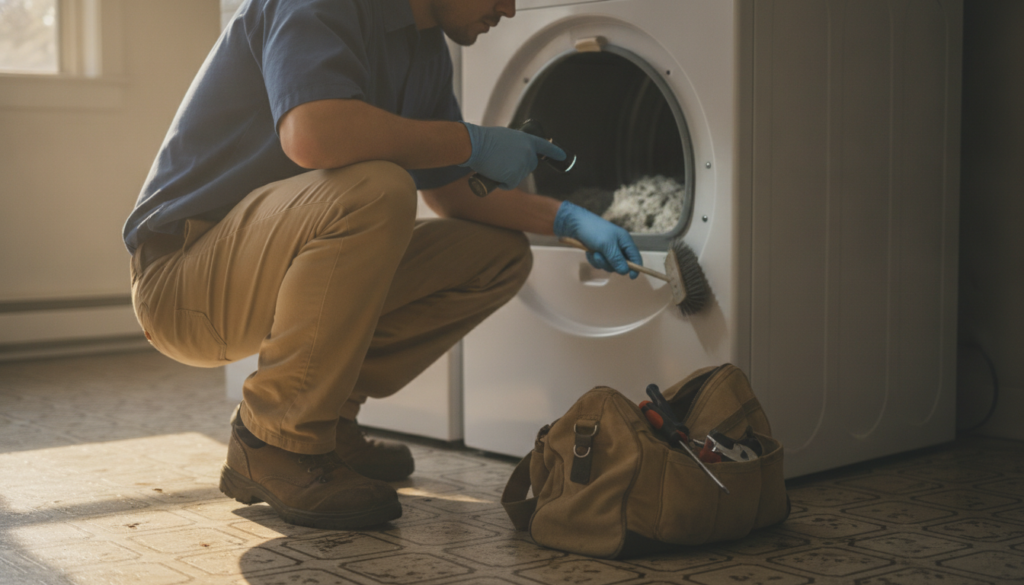
Our crews start by measuring existing duct diameter, almost always 4 inches for residential dryers, then confirm the wall cavity can accept the new fitting without additional framing work. Next, we remove the old hood or box and inspect the duct run for hidden lint or damage.
DIY vs. Professional Installation
| Factor | DIY Install | Professional Install |
|---|---|---|
| Time required | 2–4 hours (with learning curve) | 1–2 hours |
| Tool requirements | Drill, sheet metal snips, sealant | Same, plus duct camera for inspection |
| Code compliance check | Not guaranteed | Included |
| Risk of improper seal | Higher | Lower |
Homeowners comfortable with basic tools can install a simple dryer wall box themselves, but sealing gaps correctly matters. A poor seal lets exhaust leak into the wall cavity, which raises moisture and mold risk noted by the Environmental Protection Agency as a concern in poorly ventilated laundry areas.
⚠️ Common Mistake: Skipping the mastic seal or foil tape at the box connection point is the single most common install error we find during follow-up inspections.
Cost Factors for Wall Box Installation
Quick Answer: Most dryer exhaust wall box jobs run between $150 and $350 including parts and labor, though attic reroutes or roof terminations cost more. Price depends on duct length, wall material, and access difficulty.
Stucco and brick exteriors require more cutting time than vinyl or wood siding, which raises labor cost slightly. If the existing duct run also needs replacement, expect an additional charge for material and length.
When a Simple Box Isn’t Enough
Sometimes a wall box alone won’t solve poor airflow if the duct run itself is too long or has too many turns. In those cases, an attic reroute or a proper roof or wall termination upgrade addresses the root cause instead of masking it.
✅ Quick Tip: Ask any installer for the total equivalent duct length calculation — a box that’s technically correct but attached to an overly long run still won’t dry clothes efficiently.
Maintenance Tips to Keep Airflow Clear
Quick Answer: Clean the wall box opening every three months and schedule a full duct inspection annually. Consistent upkeep prevents the lint buildup that causes most airflow complaints.
A quick visual check takes less than five minutes. Remove visible lint from the exterior flap, confirm the flap opens freely, and listen for unusual rattling during a dryer cycle.
A Seasonal Habit Worth Keeping
I’ve walked into more than one Florida laundry closet where the exterior flap was painted shut during a home renovation — a small oversight that quietly chokes airflow for years. Building that quick check into a seasonal home maintenance routine, alongside tasks like filter and air quality upkeep, catches problems early.
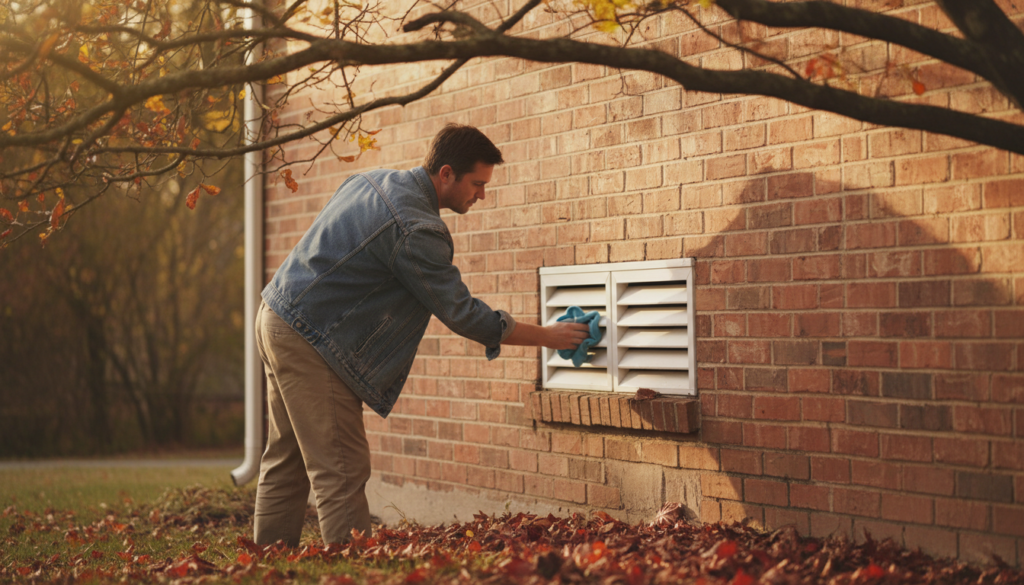
For homes in our coverage area, including Sebastian and Indian River County, we recommend pairing wall box maintenance with a full dryer vent cleaning at least once a year.
FAQ
What is a dryer exhaust wall box used for?
A dryer exhaust wall box lets exhaust air exit sideways through a wall instead of straight out, which is essential when a dryer sits too close to the wall for a standard hood. It prevents the flexible duct from crushing and keeps airflow open.
How much does it cost to install a dryer wall box?
Most installations cost between $150 and $350 depending on wall material, duct length, and labor rates in your area. Additional duct replacement or attic access work can raise the total.
Can I install a dryer duct wall box myself?
Yes, if you’re comfortable with basic tools and can properly seal the connections with mastic or foil tape. However, incorrect sizing or a poor seal can trap moisture inside the wall, so many homeowners prefer a professional check.
How do I know if my dryer vent wall box is failing?
Slow drying, a burning smell, visible lint at the opening, or a hot laundry room are the clearest warning signs. Any of these means the box or duct should be inspected within days, not months.
Are metal or plastic wall boxes better for dryer vents?
Galvanized steel or aluminum boxes hold up better against heat and long-term wear than plastic versions, especially in humid climates. Plastic fittings tend to warp or crack near the exhaust opening within a few years.
How often should a dryer exhaust wall box be cleaned?
A quick visual check every three months and a full professional inspection annually is generally sufficient for most households. Larger families with heavier laundry loads may need cleaning more often.
Does a dryer exhaust wall box reduce fire risk?
Yes, by eliminating the crushed duct bend that traps lint, a properly installed wall box reduces one of the most common contributing factors in residential dryer fires. It doesn’t replace regular cleaning, though — both practices work together for safety.
Final Thoughts
A dryer exhaust wall box is a small fitting that solves a surprisingly common problem: dryers crammed into tight closets with no room to breathe. Getting the sizing, material, and seal right matters more than most homeowners realize, and the payoff is faster drying and lower fire risk. If your laundry closet runs hot or clothes take two cycles to dry, it’s worth having the termination checked before the issue gets worse.
Next steps:
- Check the clearance behind your dryer and note if it’s under 4 inches.
- Inspect the exterior vent flap for lint buildup or damage.
- Compare your current setup against the wall box vs. hood table above.
- Schedule a professional inspection if drying times have increased.
Ready for a safer, faster-drying laundry setup? Contact All Clear Vents today to schedule a dryer exhaust wall box inspection or installation.
